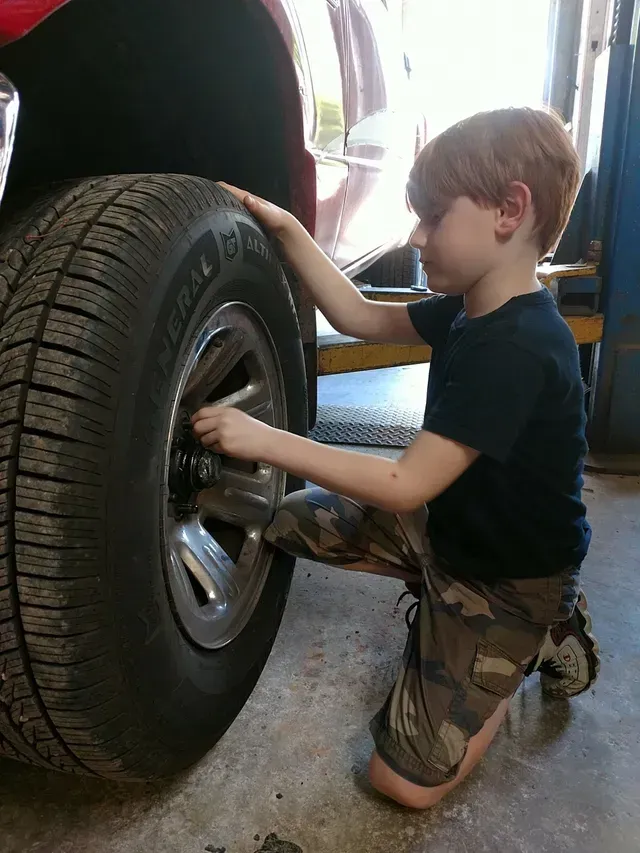
Trusted Auto Repair in Covington, LA

Rock Solid Auto Service

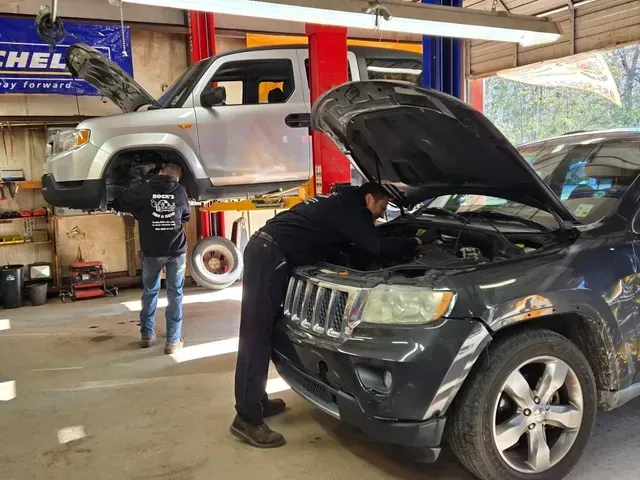
With over 35+ years of experience, Rock’s delivers expert repairs, quality parts, and customer-friendly amenities to keep your vehicle running at its best.

Review Stars Rating | Rock's Tire & Auto

4444 Reviews

Oil Change Maintenance | Rock's Tire & Auto

Expert Auto Repairs

Transmission Services | Rock's Tire & Auto


high-quality parts & service

BMW Front View | Rock's Tire & Auto

domestic, asian & european

What Keeps Local Drivers Coming Back

See Why Local Car Owners Trust Us

<p class="rteBlock">Reviews Icon | Rock&#x27;s Tire &amp; Auto</p>

5-star review by Arthur Smith

"Required an emergency bearing and brake replacement, and right from the the start Rock and his oldest son were above and beyond friendly, professional, and accommodating. Rock offered me a ride to where I needed while they repaired my truck (which only took one day). Very satisfied with their work and am planning on having more done."
<p class="rteBlock">Reviews Icon | Rock&#x27;s Tire &amp; Auto</p>

5-star review by Patricia Broks

"I have a 13 year old Hyundai Genesis that Rock has expertly taken care of for me. With his quick reliable service available, I plan on keeping my Genesis for many more years!"

5-star review by Delia Schilling

"Rock’s did a great repair on my van. We love using this local shop! They are honest, and have always gotten our repairs done in a timely manner. We trust Rock, and his shop, with all our tire and auto needs!"

5-star review by Jeannette Jacks

"Mr. Rock took in our Chevy Colorado, which needed a lot of help, and worked with us. He not only thoroughly explained what was wrong with our truck, but even brought us in to look at it first hand so that he could show us the issues. Mr. Rock and his crew are the first mechanics I’ve been to that have ever done this!"

5-star review by Steven Hontiveros

"Rock Auto replaced my brakes on my 4Runner. They are professional, knowledgeable, and have outstanding customer service. This is your go to place for a local, small town, independent shop."

5-star review by Arthur Smith

"Required an emergency bearing and brake replacement, and right from the the start Rock and his oldest son were above and beyond friendly, professional, and accommodating. Rock offered me a ride to where I needed while they repaired my truck (which only took one day). Very satisfied with their work and am planning on having more done."

Get to Know the People Behind the Repairs

A Family-Operated Auto Repair Shop Serving Covington, LA

Built on Generations of Hands-On Automotive Experience

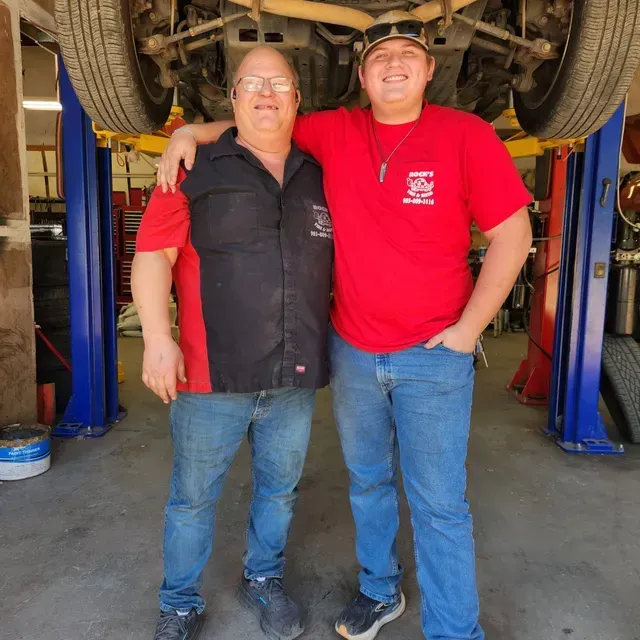
Rock’s Tire & Auto is led by Rock and Angie Molina, a husband-and-wife team committed to serving the Covington community with integrity and care. With over 35 years of experience and a family legacy rooted in automotive repair, Rock learned the trade alongside his father and grandfather. That foundation shaped a shop culture centered on honesty, craftsmanship, and treating every customer like family. Today, our technicians continue that tradition using modern tools while staying grounded in values that put people first.
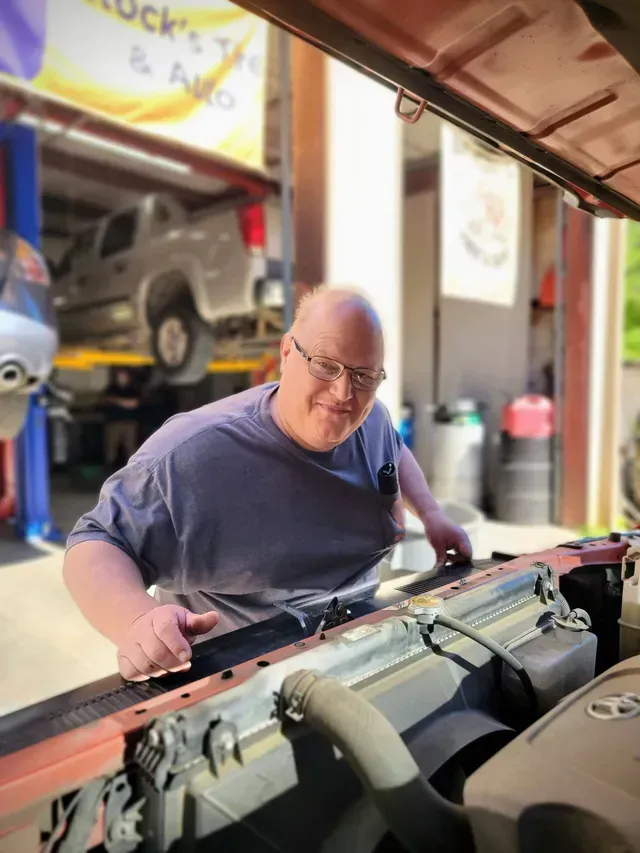

We understand how disruptive car problems can be to everyday life. That’s why we take time to explain repairs clearly, provide photo documentation when possible, and offer guidance without pressure. From routine maintenance to complex diagnostics, our approach is built around transparency and education. We want every customer to leave informed, confident, and comfortable with the work performed on their vehicle.

Modern Diagnostics Paired with Louisiana-Style Hospitality

Our shop blends advanced diagnostic equipment with ongoing technician training to deliver accurate, efficient repairs. At the same time, we believe great service extends beyond the garage. With amenities like free Wi-Fi and a complimentary shuttle service, we make your visit as convenient as possible. Whether you’re stopping in for an oil change or addressing a major concern, our goal is to reduce stress and keep your day moving smoothly.

What Sets Our Auto Shop Apart

Automotive Care Focused on Trust and Accountability

Ten Reasons Local Drivers Rely on Our Team Every Day

Family-Led Ownership Icon | Rock's Tire & Auto

Family-Led Ownership

Hands-on owners ensure every repair reflects care, responsibility, & trust.

ASE-Certified Technicians Icon | Rock's Tire & Auto

ASE-Certified Technicians

Our certified technicians deliver accurate and professional repairs.

Clear Repair Communication Icon | Rock's Tire & Auto

Clear Repair Communication

We explain issues clearly so you can approve repairs with confidence.

Preventative Care Focus Icon | Rock's Tire & Auto

Preventative Care Focus

Preventive service reduces breakdowns and helps extend your vehicle’s life.

Advanced Diagnostics Icon | Rock's Tire & Auto

Advanced Diagnostics

Modern tools allow us to pinpoint issues quickly and avoid unnecessary repairs.

Local Shuttle Service Icon | Rock's Tire & Auto

Local Shuttle Service

Our complimentary shuttle helps you stay productive during service visits.

Flexible Financing Icon | Rock's Tire & Auto

Flexible Financing

Affirm and Sunbit financing make unexpected repairs easier to manage.

Community-First Values Icon | Rock's Tire & Auto

Community-First Values

We treat customers like neighbors, not numbers, every visit.

Comfortable Waiting Area Icon | Rock's Tire & Auto

Comfortable Waiting Area

Free WiFi and a welcoming space make waiting easier and less stressful.

Helpful Car Care Guidance Icon | Rock's Tire & Auto

Helpful Car Care Guidance

We guide drivers on maintenance needs to help them plan with confidence.

Complete Care for Your Vehicle

Full-Service Automotive Solutions in Covington, LA

Dependable Auto Repair and Maintenance for Local Drivers
Pre-Purchase and Pre-Trip Inspections | Rock's Tire & Auto

Pre-Purchase and Pre-Trip Inspections

These inspections uncover issues before they become problems. We check key components to keep your vehicle road-ready.
Visit page
Brake Repair | Rock's Tire & Auto

Brake Repair

We provide thorough brake inspections, pad and rotor replacement, and system evaluations to ensure safe stopping performance and reliable braking in everyday driving conditions.
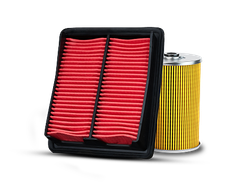
Visit Page
Auto HVAC Repair | Rock's Tire & Auto

Auto HVAC Repair

From A/C repairs to heating diagnostics, we restore cabin comfort through precise testing, quality repairs, and performance checks for year-round reliability.
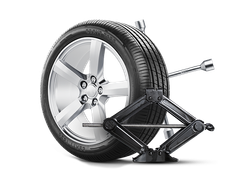
Visit Page
Tires Services | Rock's Tire & Auto

Tires Services

Our tire services include sales, mounting, balancing, rotations, flat repair, alignment, and TPMS diagnostics to improve handling, safety, and tread life.

Visit Page

Checking If We Service Your Vehicle

Trusted Foreign and Domestic Vehicle Specialists

Servicing Most Cars, SUVs, and Light Trucks in Covington, LA

Answers You Can Rely On

Common Questions About Our Auto Repair Services

  • What are your business hours?

    Rock's Tire & Auto is open Monday through Friday from 8:00 AM to 5:00 PM. These hours are designed to give you plenty of time during the workweek to bring your car in for repairs or maintenance.

  • Where are you located?

    You’ll find us at 1990 W 21st Ave, Covington, LA 70433. Our convenient location makes it easy for drivers in Covington and the surrounding communities to access quality auto care.

  • What types of vehicles do you work on?

    Our certified technicians service a wide range of vehicles, including cars, trucks, and SUVs—both foreign and domestic. Whether it’s a routine oil change or complex repairs, we have the expertise to handle it.

  • Can I book an appointment online?

    Yes, scheduling your appointment thru the button below is quick and easy. Booking ahead helps ensure your vehicle gets the attention it needs without unnecessary wait times.

  • Can I drop off my vehicle before business hours?

    Got an early morning? No problem. Drop your keys off before we open and get your day started without missing a beat.

  • Is after-hours pick-up available?

    Can’t make it by closing time? We’ve got you covered. With secure after-hours pick-up, your vehicle will be ready when you are.

  • Are Your Services Cost-Effective?

    Absolutely. Rock’s Tire & Auto provides dealership-quality service at a more affordable rate. Plus, our personalized care and community-focused approach mean you’ll always feel valued as a customer.

  • Do you offer any discounts?

    We regularly provide specials and seasonal promotions to help our customers save on essential services. Be sure to check our Coupons page or ask our team about current offers.

  • Can I check on the status of my car at the shop?

    Yes, you can check on the status of your car anytime during business hours. Our team is happy to provide updates by phone or in person so you always know how your vehicle’s service is progressing.

  • Are you hiring?

    We’re currently seeking an A-Level Technician to join our growing team, along with dedicated professionals who share our passion for quality auto repair and customer care. Visit our Careers page or reach out to us to learn more about available opportunities.

  • Do you provide a shuttle service?

    Need a ride while we work on your car? Our local shuttle service will get you where you need to be — whether that’s work, school, or just back home to relax.

  • Do you offer concierge service?

    For our first responders, medical staff, and school employees, we offer a special concierge service. While you’re busy serving our community, we’ll pick up your vehicle, take care of the work, and return it when it’s done. Because those who take care of us deserve a little extra care in return.

ASE Logo | Rock's Tire & Auto
Worldpac Logo | Rock's Tire & Auto
BG Logo | Rock's Tire & Auto
Tireco Logo | Rock's Tire & Auto
Amazing Women in Automotive Logo | Rock's Tire & Auto

Smarter Car Care Starts Here

Practical Automotive Advice from Our Repair Experts

By Rock Molina February 24, 2026
Summary Oil changes are one of the simplest — and most misunderstood — maintenance services your vehicle needs. While some advertisements promote extended oil change intervals of 7,500, 10,000, or even 15,000 miles, real-world driving conditions tell a different story. For most drivers, especially those who deal with short trips, stop-and-go traffic, heat, humidity, towing, or idling, changing your oil every 5,000 miles is a smart and preventative approach to protecting your engine. Fresh oil lubricates, cools, cleans, and protects your engine’s internal components. As oil ages, it breaks down, collects contaminants, and loses its ability to perform these vital functions. Waiting too long between oil changes increases wear, reduces fuel efficiency, and can lead to expensive engine damage over time. In this blog, we’ll break down exactly what motor oil does, why 5,000 miles is a safe and practical interval for most drivers, the risks of stretching oil changes too far, and how this simple service protects one of the most expensive components in your vehicle — your engine. What Motor Oil Actually Does for Your Engine Many people think oil simply “keeps things slippery.” While lubrication is important, motor oil does far more than that. First, oil lubricates moving metal parts. Your engine contains thousands of precisely machined components moving at high speeds. Pistons move up and down thousands of times per minute. Crankshafts spin. Valves open and close. Without a thin protective film of oil between these surfaces, metal would grind against metal and quickly destroy the engine. Second, oil helps regulate temperature. Combustion inside your engine creates extreme heat. Oil absorbs and carries away some of that heat, helping prevent overheating and thermal stress. Third, oil cleans. As fuel burns, it produces byproducts like carbon deposits. Tiny metal particles also wear off internal components over time. Oil suspends these contaminants and carries them to the oil filter so they don’t accumulate inside the engine. Fourth, oil protects against corrosion. Additives in motor oil help prevent rust and chemical breakdown inside the engine. Finally, oil cushions engine components. It helps absorb shock between moving parts, reducing noise and wear. When oil is fresh, it performs all of these functions efficiently. When oil is old and degraded, it does none of them well. Why 5,000 Miles Is a Practical Standard You’ve likely seen commercials suggesting oil changes can go much longer than 5,000 miles. While that may be technically possible under ideal conditions, most drivers do not operate their vehicles under ideal conditions. Short trips are one of the biggest reasons oil degrades faster. When you drive only a few miles at a time, your engine may not fully warm up. Moisture and fuel dilution can build up in the oil, reducing its effectiveness. Stop-and-go traffic is another factor. Idling, braking, and accelerating repeatedly place stress on the engine and break down oil more quickly. Hot climates accelerate oil degradation. Heat causes oil to thin and oxidize faster, reducing its protective properties. Towing, hauling, or carrying heavy loads increases engine strain. More strain means more heat and more contamination. Even modern engines with synthetic oil benefit from regular service. Synthetic oil resists breakdown better than conventional oil, but it still collects contaminants and still loses additive strength over time. The 5,000-mile interval is a conservative, protective approach that accounts for real-world driving conditions. It creates a safety buffer that protects your engine long-term rather than pushing limits. What Happens When You Wait Too Long Stretching oil change intervals may save a small amount of money in the short term, but it can cost significantly more in the long run. As oil ages, it thickens and forms sludge. Sludge restricts oil flow, starving critical engine components of lubrication. Worn-out oil loses its ability to protect against friction. Increased friction accelerates wear on bearings, camshafts, and piston rings. Dirty oil reduces fuel efficiency. Engines have to work harder when lubrication is compromised. Extended intervals can also clog oil passages and damage timing components, especially in modern engines that rely on precise oil pressure for variable valve timing systems. Worst case scenario? Complete engine failure. An engine replacement can cost thousands of dollars. Compared to that, regular oil changes are one of the most affordable ways to protect your investment. The Role of the Oil Filter Changing oil isn’t just about draining fluid. The oil filter plays a crucial role. The filter captures dirt, metal particles, and combustion byproducts. Over time, it becomes saturated. A clogged filter reduces oil flow or bypasses contaminants back into circulation. Replacing the oil without replacing the filter is like taking a shower and putting dirty clothes back on. At each 5,000-mile service, both oil and filter should be replaced to ensure proper protection. Modern Engines Are Not Immune Some drivers believe newer vehicles don’t need oil changes as frequently. While modern engines are more efficient, they are also more complex. Many newer engines use turbochargers. Turbos spin at extremely high speeds and rely heavily on clean oil for cooling and lubrication. Dirty oil can quickly damage turbo bearings. Direct-injection engines can introduce fuel dilution into oil, reducing its effectiveness. Variable valve timing systems depend on clean oil flowing through tiny passages. Sludge or contamination can cause performance issues. Modern engines often have tighter tolerances than older engines. This means they are less forgiving when maintenance is neglected. Regular 5,000-mile oil changes help ensure these advanced systems operate properly. The Cost Comparison: Oil Changes vs. Engine Repairs Let’s break it down practically. An oil change every 5,000 miles might cost a few hundred dollars per year, depending on how much you drive. Major engine repairs can cost thousands — sometimes more than the value of the vehicle. Routine oil service is preventative maintenance. It protects resale value. It reduces breakdown risk. It extends engine life. When you consider the lifespan of a vehicle — often 150,000 to 250,000 miles — regular oil changes significantly increase the odds of reaching the higher end of that range. Oil Is the Lifeblood of Your Vehicle You wouldn’t skip blood circulation in your body. Oil functions the same way in your engine. When it’s clean and flowing properly, everything operates smoothly. When it’s dirty or degraded, every component suffers. That is why 5,000 miles is not an arbitrary number. It’s a practical interval designed to protect the engine from gradual wear that happens silently over time. You may not notice immediate damage from stretching intervals once or twice. But engines rarely fail suddenly without warning. They wear down slowly. Consistent maintenance builds reliability. Signs Your Oil May Be Overdue Even if you track mileage, it’s helpful to recognize warning signs. Dark, gritty oil on the dipstick. Engine knocking or ticking sounds. Decreased fuel economy. Rough idling. Oil warning lights. However, waiting for symptoms is not ideal. Oil maintenance works best when it is preventative, not reactive. The Environmental Perspective Some drivers worry about frequent oil changes impacting the environment. Properly recycled oil is re-refined and reused. Used oil is one of the most recycled products worldwide. A well-maintained engine also runs more efficiently, producing fewer emissions. Regular oil changes contribute to cleaner engine operation and better fuel economy. Peace of Mind Matters One overlooked benefit of 5,000-mile oil changes is peace of mind. Knowing your vehicle is properly maintained reduces stress during road trips, daily commutes, and unexpected travel. It builds a relationship between you and your service provider. Routine visits allow technicians to spot small issues before they become major problems. Oil changes often include multi-point inspections that catch worn belts, leaks, brake wear, and tire issues early. It’s not just about oil. It’s about consistent vehicle health. Frequently Asked Questions How do I know if 5,000 miles is right for my car? For most drivers under typical real-world conditions, 5,000 miles is a safe, preventative interval. Severe driving conditions may require even shorter intervals. What if my manufacturer recommends 7,500 or 10,000 miles? Manufacturer intervals are often based on ideal conditions. If you drive short trips, in heavy traffic, in hot climates, or tow frequently, shorter intervals provide added protection. Is synthetic oil good for 10,000 miles? Synthetic oil resists breakdown better than conventional oil, but it still accumulates contaminants. Many technicians recommend 5,000-mile intervals even with synthetic oil for long-term engine health. Will skipping one oil change ruin my engine? One delay may not cause immediate failure, but repeated delays increase wear over time. Why does my oil look dirty even shortly after a change? Oil darkens as it collects contaminants. Dark color alone doesn’t always mean it’s bad, but mileage and condition matter. Can I rely on my oil life monitor? Oil life monitors estimate degradation based on algorithms. They do not directly measure oil condition. Using mileage as a guideline provides consistency. What happens if I rarely drive my car? Even low-mileage vehicles should have oil changed at least once or twice per year. Oil degrades over time, not just miles. Does frequent oil changing harm the engine? No. Fresh oil protects the engine. There is no harm in changing oil more frequently within reasonable intervals. Final Thoughts Changing your oil every 5,000 miles is not about overservicing. It is about protecting one of the most complex and expensive components in your vehicle. Engines are engineered marvels, but they depend on clean oil to survive. Routine maintenance is always less expensive than repairs. Consistency prevents costly surprises. And when you care for your vehicle proactively, it returns the favor with reliability. Five thousand miles may seem frequent. But when measured against the lifespan of your engine, it is a small investment with a major payoff.
By Rock Molina February 24, 2026
Summary If you’ve ever been told that your tire “can’t be repaired because it’s outside the tread,” you may have felt skeptical. It can sound like a sales tactic. On the other hand, you may have experienced the opposite problem — a puncture that should not have been repaired was patched anyway, only to fail later. The truth about tire repair isn’t based on opinion or profit. It’s based on safety standards established by the U.S. Tire Manufacturers Association. Modern radial tires are engineered in a way that makes certain punctures safely repairable and others unsafe to fix. Understanding where the damage is located — and why that matters — can protect your wallet, your vehicle, and most importantly, your family. Let’s talk about what’s really going on when a nail ends up in your tire. It usually happens at the worst time. You walk out of work. The car feels a little funny on the drive home. The next morning you notice a screw or nail in the tire. Your heart sinks a little, but you think, “No big deal — they’ll just patch it.” Sometimes that’s exactly what happens. Other times you’re told the tire cannot be repaired because the puncture is too close to the sidewall or outside the main tread area. That’s where frustration can set in. Is it really unsafe? Or is someone just trying to sell a new tire? The answer comes down to how tires are built. Modern passenger vehicles use radial tires. These tires are engineered with layers of cords and belts that run at specific angles to give strength, flexibility, and stability. The tread area — the part that contacts the road — is reinforced and designed to handle punctures in a limited, repairable way. But the sidewall is a different story. The sidewalls of radial tires are built to flex constantly. Every time your tire rotates, the sidewall compresses and rebounds. It absorbs bumps. It carries load. It allows the tread to stay planted on the road. That constant movement is exactly why punctures in the sidewall cannot be safely repaired. A proper tire repair requires sealing both the inner liner and the injury channel. In the tread area, this can be done because the structure is stable enough to support a patch-and-plug style repair. But in the sidewall, the continuous flexing prevents a repair from holding reliably. Even if it appears to seal at first, the repeated bending can cause the repair to fail. Air can leak. The structure can weaken. In worst cases, the tire can experience a sudden loss of pressure. This is not a shop preference. It’s an industry safety standard. According to the U.S. Tire Manufacturers Association , punctures are only repairable within the crown area of the tread — the central portion that actually contacts the road. Damage in the shoulder area (the outer edges of the tread) or into the sidewall is not considered safe to repair. Think of it like this: the tread area is the stable backbone of the tire. The sidewall is the flexible joint. You can safely mend a puncture in the backbone. You cannot safely mend one in the joint that bends thousands of times per mile. Now let’s address the other scenario — when a puncture outside the safe repair zone gets repaired anyway. This sometimes happens when someone uses a simple external plug inserted from the outside of the tire without removing it from the wheel. These quick fixes can be tempting because they’re inexpensive and fast. The problem is they don’t inspect the inside of the tire for hidden damage, and they don’t account for structural movement in the sidewall. The result? The repair may hold for a little while. Then it begins to leak. Or worse, the tire weakens internally without obvious warning. When that happens, customers understandably feel frustrated. “They fixed it last month — why is it flat again?” The reality is that an improper repair in an unrepairable area often fails because the tire’s design simply doesn’t allow it to succeed long term. At our shop, we follow established tire industry guidelines not because we want to sell tires, but because we want you driving safely down Highway 190, across the Causeway, or headed out on I-12 without worrying about a blowout. A tire failure at 70 miles per hour is not worth the risk. So how do you know if your puncture is repairable? First , location matters most. If the nail or screw is in the center portion of the tread, chances are good it can be properly repaired — assuming the puncture is small and hasn’t caused internal structural damage. Second, size matters. Large gashes, irregular tears, or damage caused by driving on a severely underinflated tire may make it unsafe to repair even if the puncture is in the tread area. Third, condition matters. If the tire has very little tread remaining, replacing it may make more sense than repairing it. When you bring your vehicle to a reputable tire shop, they should remove the tire from the wheel, inspect the interior, and install a proper internal patch-plug combination repair if it qualifies. This method seals the inner liner and fills the injury path, restoring the integrity of the tread area. If the damage falls outside those parameters, a responsible shop will recommend replacement. That recommendation can feel inconvenient. But it’s rooted in physics and engineering, not sales strategy. It’s also important to understand that tire safety isn’t just about the puncture you see. Driving on a tire that has lost significant air pressure — even for a short distance — can damage the internal sidewall cords. From the outside, the tire may look fine. Internally, it may be compromised. That’s another reason proper inspection is critical. We’ve seen both ends of the spectrum. Customers relieved when a simple tread puncture can be safely repaired. And customers disappointed when the damage is too close to the sidewall to fix. But we’d much rather have a tough conversation in the shop than see someone stranded on the side of the road later. Tires are the only part of your vehicle that touch the road. Four small contact patches — about the size of your hand — are responsible for accelerating, braking, turning, and keeping you stable in rainstorms. Compromising that connection to save a tire that cannot safely be repaired just isn’t worth it. If you ever find yourself staring at a nail in your tire, here’s the best next step: don’t guess. Don’t rely on a gas station plug kit. Bring it to a trusted tire professional who understands industry standards and will inspect it properly. Sometimes the answer will be good news — it’s repairable. Other times, the safest path forward will be replacement. Either way, you deserve clarity and honesty about why. The confusion around tire repair often comes from inconsistent practices. But the standards themselves are clear. The sidewall flexes too much to hold a safe repair. Only the central tread area qualifies. Proper repair requires internal inspection and professional installation. When safety guidelines are followed, you avoid repeat failures, roadside headaches, and unnecessary risk. At the end of the day, tire repair decisions should be about protecting families, not pushing products. The right call is the one that keeps you confidently rolling down the road. Frequently Asked Questions Can all nails in a tire be repaired? No. Only punctures located in the central tread area may be safely repaired, and only if they meet size and condition guidelines. Punctures near or in the sidewall cannot be safely fixed. Why can’t sidewall punctures be repaired? The sidewall of a radial tire flexes constantly while driving. That movement prevents a repair from holding reliably and can lead to failure. Are plug-only repairs safe? External plug-only repairs are considered temporary at best. A proper repair involves removing the tire and installing an internal patch-plug combination after inspecting the inside. How do I know if I drove too long on a flat tire? If the tire was very low or completely flat and driven on, internal damage may have occurred. A professional inspection is required to determine safety. Is a repair as good as a new tire? A proper repair in the correct location can restore safe function for the remaining life of the tire. However, it does not strengthen or renew worn tread. What should I do if I get a puncture? Have the tire inspected by a qualified tire professional as soon as possible. Avoid driving long distances on a low tire, and don’t assume every puncture can be safely repaired. When it comes to tires, the real goal isn’t squeezing every last mile out of rubber. It’s making sure every mile you drive is a safe one.xt, click on it and delete this default text and start typing your own or paste your own from a different source.
By Rock Molina February 24, 2026
Summary Oil changes are one of the simplest — and most misunderstood — maintenance services your vehicle needs. While some advertisements promote extended oil change intervals of 7,500, 10,000, or even 15,000 miles, real-world driving conditions tell a different story. For most drivers, especially those who deal with short trips, stop-and-go traffic, heat, humidity, towing, or idling, changing your oil every 5,000 miles is a smart and preventative approach to protecting your engine. Fresh oil lubricates, cools, cleans, and protects your engine’s internal components. As oil ages, it breaks down, collects contaminants, and loses its ability to perform these vital functions. Waiting too long between oil changes increases wear, reduces fuel efficiency, and can lead to expensive engine damage over time. In this blog, we’ll break down exactly what motor oil does, why 5,000 miles is a safe and practical interval for most drivers, the risks of stretching oil changes too far, and how this simple service protects one of the most expensive components in your vehicle — your engine. What Motor Oil Actually Does for Your Engine Many people think oil simply “keeps things slippery.” While lubrication is important, motor oil does far more than that. First, oil lubricates moving metal parts. Your engine contains thousands of precisely machined components moving at high speeds. Pistons move up and down thousands of times per minute. Crankshafts spin. Valves open and close. Without a thin protective film of oil between these surfaces, metal would grind against metal and quickly destroy the engine. Second, oil helps regulate temperature. Combustion inside your engine creates extreme heat. Oil absorbs and carries away some of that heat, helping prevent overheating and thermal stress. Third, oil cleans. As fuel burns, it produces byproducts like carbon deposits. Tiny metal particles also wear off internal components over time. Oil suspends these contaminants and carries them to the oil filter so they don’t accumulate inside the engine. Fourth, oil protects against corrosion. Additives in motor oil help prevent rust and chemical breakdown inside the engine. Finally, oil cushions engine components. It helps absorb shock between moving parts, reducing noise and wear. When oil is fresh, it performs all of these functions efficiently. When oil is old and degraded, it does none of them well. Why 5,000 Miles Is a Practical Standard You’ve likely seen commercials suggesting oil changes can go much longer than 5,000 miles. While that may be technically possible under ideal conditions, most drivers do not operate their vehicles under ideal conditions. Short trips are one of the biggest reasons oil degrades faster. When you drive only a few miles at a time, your engine may not fully warm up. Moisture and fuel dilution can build up in the oil, reducing its effectiveness. Stop-and-go traffic is another factor. Idling, braking, and accelerating repeatedly place stress on the engine and break down oil more quickly. Hot climates accelerate oil degradation. Heat causes oil to thin and oxidize faster, reducing its protective properties. Towing, hauling, or carrying heavy loads increases engine strain. More strain means more heat and more contamination. Even modern engines with synthetic oil benefit from regular service. Synthetic oil resists breakdown better than conventional oil, but it still collects contaminants and still loses additive strength over time. The 5,000-mile interval is a conservative, protective approach that accounts for real-world driving conditions. It creates a safety buffer that protects your engine long-term rather than pushing limits. What Happens When You Wait Too Long Stretching oil change intervals may save a small amount of money in the short term, but it can cost significantly more in the long run. As oil ages, it thickens and forms sludge. Sludge restricts oil flow, starving critical engine components of lubrication. Worn-out oil loses its ability to protect against friction. Increased friction accelerates wear on bearings, camshafts, and piston rings. Dirty oil reduces fuel efficiency. Engines have to work harder when lubrication is compromised. Extended intervals can also clog oil passages and damage timing components, especially in modern engines that rely on precise oil pressure for variable valve timing systems. Worst case scenario? Complete engine failure. An engine replacement can cost thousands of dollars. Compared to that, regular oil changes are one of the most affordable ways to protect your investment. The Role of the Oil Filter Changing oil isn’t just about draining fluid. The oil filter plays a crucial role. The filter captures dirt, metal particles, and combustion byproducts. Over time, it becomes saturated. A clogged filter reduces oil flow or bypasses contaminants back into circulation. Replacing the oil without replacing the filter is like taking a shower and putting dirty clothes back on. At each 5,000-mile service, both oil and filter should be replaced to ensure proper protection. Modern Engines Are Not Immune Some drivers believe newer vehicles don’t need oil changes as frequently. While modern engines are more efficient, they are also more complex. Many newer engines use turbochargers. Turbos spin at extremely high speeds and rely heavily on clean oil for cooling and lubrication. Dirty oil can quickly damage turbo bearings. Direct-injection engines can introduce fuel dilution into oil, reducing its effectiveness. Variable valve timing systems depend on clean oil flowing through tiny passages. Sludge or contamination can cause performance issues. Modern engines often have tighter tolerances than older engines. This means they are less forgiving when maintenance is neglected. Regular 5,000-mile oil changes help ensure these advanced systems operate properly. The Cost Comparison: Oil Changes vs. Engine Repairs Let’s break it down practically. An oil change every 5,000 miles might cost a few hundred dollars per year, depending on how much you drive. Major engine repairs can cost thousands — sometimes more than the value of the vehicle. Routine oil service is preventative maintenance. It protects resale value. It reduces breakdown risk. It extends engine life. When you consider the lifespan of a vehicle — often 150,000 to 250,000 miles — regular oil changes significantly increase the odds of reaching the higher end of that range. Oil Is the Lifeblood of Your Vehicle You wouldn’t skip blood circulation in your body. Oil functions the same way in your engine. When it’s clean and flowing properly, everything operates smoothly. When it’s dirty or degraded, every component suffers. That is why 5,000 miles is not an arbitrary number. It’s a practical interval designed to protect the engine from gradual wear that happens silently over time. You may not notice immediate damage from stretching intervals once or twice. But engines rarely fail suddenly without warning. They wear down slowly. Consistent maintenance builds reliability. Signs Your Oil May Be Overdue Even if you track mileage, it’s helpful to recognize warning signs. Dark, gritty oil on the dipstick. Engine knocking or ticking sounds. Decreased fuel economy. Rough idling. Oil warning lights. However, waiting for symptoms is not ideal. Oil maintenance works best when it is preventative, not reactive. The Environmental Perspective Some drivers worry about frequent oil changes impacting the environment. Properly recycled oil is re-refined and reused. Used oil is one of the most recycled products worldwide. A well-maintained engine also runs more efficiently, producing fewer emissions. Regular oil changes contribute to cleaner engine operation and better fuel economy. Peace of Mind Matters One overlooked benefit of 5,000-mile oil changes is peace of mind. Knowing your vehicle is properly maintained reduces stress during road trips, daily commutes, and unexpected travel. It builds a relationship between you and your service provider. Routine visits allow technicians to spot small issues before they become major problems. Oil changes often include multi-point inspections that catch worn belts, leaks, brake wear, and tire issues early. It’s not just about oil. It’s about consistent vehicle health. Frequently Asked Questions How do I know if 5,000 miles is right for my car? For most drivers under typical real-world conditions, 5,000 miles is a safe, preventative interval. Severe driving conditions may require even shorter intervals. What if my manufacturer recommends 7,500 or 10,000 miles? Manufacturer intervals are often based on ideal conditions. If you drive short trips, in heavy traffic, in hot climates, or tow frequently, shorter intervals provide added protection. Is synthetic oil good for 10,000 miles? Synthetic oil resists breakdown better than conventional oil, but it still accumulates contaminants. Many technicians recommend 5,000-mile intervals even with synthetic oil for long-term engine health. Will skipping one oil change ruin my engine? One delay may not cause immediate failure, but repeated delays increase wear over time. Why does my oil look dirty even shortly after a change? Oil darkens as it collects contaminants. Dark color alone doesn’t always mean it’s bad, but mileage and condition matter. Can I rely on my oil life monitor? Oil life monitors estimate degradation based on algorithms. They do not directly measure oil condition. Using mileage as a guideline provides consistency. What happens if I rarely drive my car? Even low-mileage vehicles should have oil changed at least once or twice per year. Oil degrades over time, not just miles. Does frequent oil changing harm the engine? No. Fresh oil protects the engine. There is no harm in changing oil more frequently within reasonable intervals. Final Thoughts Changing your oil every 5,000 miles is not about overservicing. It is about protecting one of the most complex and expensive components in your vehicle. Engines are engineered marvels, but they depend on clean oil to survive. Routine maintenance is always less expensive than repairs. Consistency prevents costly surprises. And when you care for your vehicle proactively, it returns the favor with reliability. Five thousand miles may seem frequent. But when measured against the lifespan of your engine, it is a small investment with a major payoff.

Your Neighborhood Auto Repair Shop

Schedule Trusted Auto Repair Close to Home

Proudly Serving Covington, LA and Surrounding Communities

Welcome to Rock’s Tire & Auto, your ASE-certified shop serving Covington, LA and the greater Northshore region. Located in St. Tammany Parish, our facility is easily accessible for drivers across the region seeking top-tier maintenance, repair, and diagnostics with factory-level standards and backed by warranty.


We understand that vehicle trouble doesn’t keep regular hours — that’s why our location is optimized for convenience and accessibility to serve communities around Covington and beyond. Whether your car is in for routine service or a more complex repair, our team is ready to provide dependable, quality workmanship.

  • Abita Springs
  • Madisonville
  • Mandeville
  • Slidell
  • Pearl River
  • Folsom
  • Sun
  • Lacombe
  • Bush
  • Goodbee
  • Franklinton
  • Bogalusa
  • Hammond
  • Ponchatoula
  • Covington
  • Robert