Preventative Maintenance: The Smartest Way to Protect Your Vehicle Long-Term
Most major vehicle repairs don’t happen suddenly—they’re the result of small issues that were easy to prevent but went unnoticed or ignored. At Rock’s Tire & Auto in Covington, LA, we’ve seen time and again how preventative maintenance saves drivers from unexpected breakdowns, expensive repairs, and unnecessary stress. When vehicles are serviced proactively, they simply last longer, perform better, and cost less to own.
Preventative maintenance isn’t about over-servicing your car or replacing parts too early. It’s about understanding how your vehicle ages, how components wear together, and how routine care keeps everything working in balance. This guide breaks down what preventative maintenance really means, why it matters, and how it helps you stay ahead of problems before they interrupt your life.
What Preventative Maintenance Actually Covers
Preventative maintenance is a structured approach to vehicle care that focuses on inspections, routine services, and timely replacements based on mileage, condition, and driving habits. It includes essentials like oil changes, fluid checks, filter replacements, brake inspections, tire rotations, alignment checks, and system diagnostics.
Each service plays a specific role. Engine oil protects internal components from friction and heat. Coolant regulates temperature. Brake fluid transfers stopping power. Tires affect handling, braking, and fuel efficiency. When even one of these areas is neglected, other systems are forced to work harder, accelerating wear across the vehicle.
Rather than reacting to breakdowns, preventative maintenance gives drivers control. It turns vehicle ownership into a predictable, manageable process instead of a cycle of surprises.
Why Skipping Maintenance Leads to Bigger Repairs
One of the most common misconceptions we hear is that skipping maintenance saves money. In reality, deferred maintenance almost always leads to higher repair costs. Fluids break down, parts wear unevenly, and small leaks or vibrations gradually turn into major failures.
For example, ignoring oil changes can lead to sludge buildup, reduced lubrication, and eventually engine damage. Skipping cooling system service can result in overheating and warped components. Worn suspension parts left unchecked can cause uneven tire wear and steering issues.
At Rock’s Tire & Auto in Covington, LA, many of the costly repairs we perform could have been avoided with routine inspections and basic maintenance. Preventative care doesn’t eliminate repairs entirely, but it dramatically reduces their frequency and severity.
Preventative Maintenance Is Not One-Size-Fits-All
Every vehicle has a maintenance schedule, but real-world driving often requires adjustments. Short trips, stop-and-go traffic, extreme temperatures, towing, and highway driving all impact how quickly components wear. Two drivers with the same vehicle can have very different maintenance needs.
That’s why preventative maintenance should be personalized. Mileage alone doesn’t tell the full story. Driving habits, vehicle age, and overall condition matter just as much. A tailored maintenance plan ensures services are performed when they’re actually needed, not just when a dashboard reminder appears.
Understanding how your vehicle is used allows maintenance to be efficient, effective, and cost-conscious.
The Role of Inspections in Preventative Care
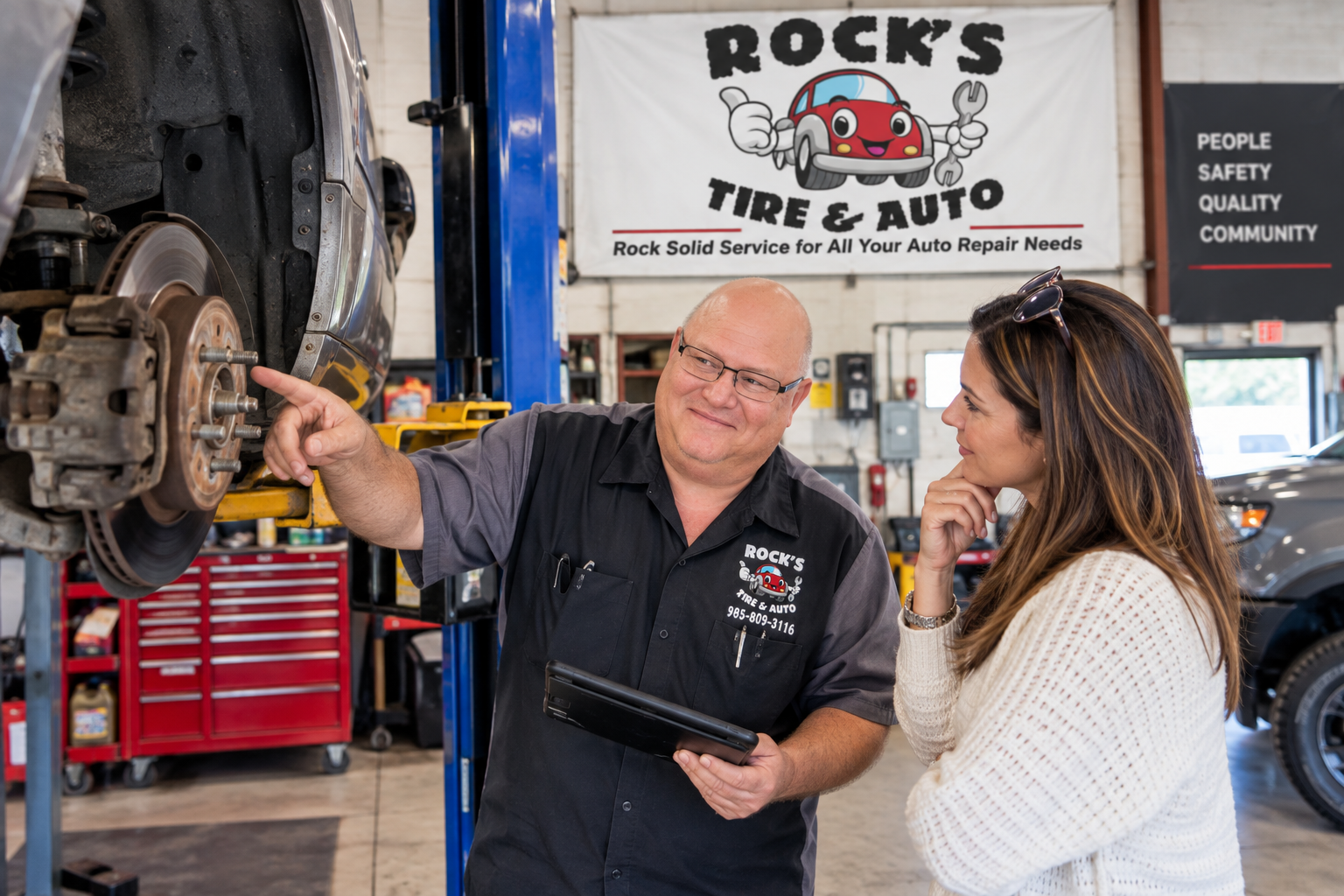
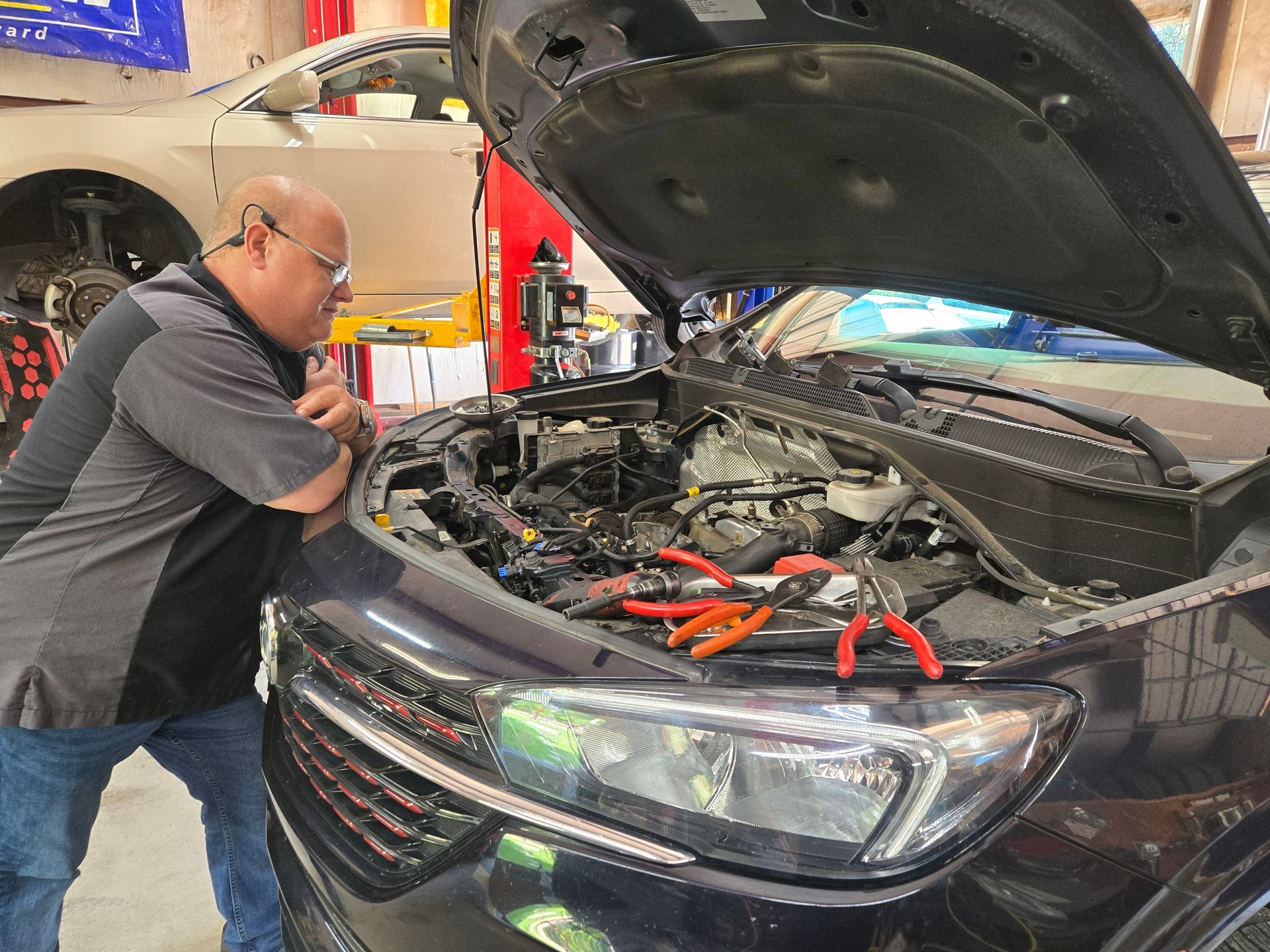
Inspections are the backbone of preventative maintenance. They allow technicians to identify early warning signs before they become visible to the driver. Small fluid leaks, worn bushings, aging belts, and weakening batteries often show symptoms long before failure occurs.
A thorough inspection evaluates engine components, brakes, suspension, steering, tires, fluids, and electronic systems. It also looks for uneven wear patterns that suggest alignment or drivability issues. These insights help prioritize services and avoid unnecessary work.
Preventative inspections give you information, not pressure. They help you plan ahead instead of reacting when a problem becomes urgent.
Fluids and Filters: Small Services With Big Impact
Fluids and filters are often underestimated, yet they are critical to vehicle longevity. Engine oil, transmission fluid, brake fluid, coolant, and power steering fluid all serve specific functions that protect internal components. Over time, these fluids degrade, lose effectiveness, or become contaminated.
Filters play an equally important role. Oil filters trap debris, air filters protect the engine from contaminants, and cabin filters maintain interior air quality. When filters become clogged, systems work harder and efficiency drops.
Keeping fluids clean and filters fresh is one of the simplest ways to extend the life of your vehicle while maintaining performance and reliability.
Tires, Alignment, and Suspension: The Overlooked Trio
Preventative maintenance isn’t limited to under-the-hood services. Tires, alignment, and suspension components directly affect safety, comfort, and handling. Uneven tire wear often signals alignment or suspension issues that, if ignored, lead to premature tire replacement and unstable driving.
Regular tire rotations, alignment checks, and suspension inspections ensure even wear and predictable handling. These services also improve braking performance and fuel efficiency. Addressing small alignment issues early prevents damage to tires and steering components.
For drivers in Covington, LA, road conditions and daily driving patterns make these checks especially important.
Preventative Maintenance and Vehicle Value
A well-maintained vehicle retains its value longer. Service records show that a vehicle has been cared for responsibly, which reduces uncertainty for future buyers. Even if you plan to keep your car long-term, preventative maintenance delays depreciation by preserving condition and performance.
Beyond resale value, maintenance protects reliability. Knowing your vehicle is dependable brings peace of mind, especially for daily commutes, family transportation, and longer trips.
Preventative care isn’t just about saving money—it’s about confidence.
When Maintenance Becomes a Safety Issue
Some maintenance items directly affect safety. Worn brakes, aging tires, failing suspension components, and neglected steering systems increase stopping distances and reduce vehicle control. Preventative maintenance identifies these issues before they compromise safety.
Warning lights, unusual noises, vibrations, or changes in handling should never be ignored. These are signals that something needs attention, even if the vehicle still feels drivable.
Staying proactive keeps you, your passengers, and everyone else on the road safer.
Choosing Preventative Maintenance Over Reactive Repairs
Reactive repairs happen after something breaks. Preventative maintenance happens before that point. The difference isn’t just cost—it’s stress, inconvenience, and lost time. Breakdowns rarely happen at convenient moments, and emergency repairs are almost always more disruptive.
At Rock’s Tire & Auto in Covington, LA, we believe maintenance should work around your life, not interrupt it. Preventative care keeps your vehicle reliable so you can focus on what matters most.
Final Thoughts on Preventative Maintenance
Preventative maintenance is the foundation of responsible vehicle ownership. It protects your investment, improves safety, and reduces long-term costs. More importantly, it replaces uncertainty with clarity and control.
By staying ahead of wear and addressing issues early, you turn maintenance into a strategy rather than a reaction. With the right approach, your vehicle becomes more dependable, efficient, and enjoyable to drive for years to come.